


Gagging can be a discomforting and distressing experience for many individuals, significantly impacting their ability to undergo dental procedures, medical examinations, or even enjoy certain foods. Gag reflexes are natural physiological responses that help prevent choking, but for some, an exaggerated gag reflex can interfere with daily life. Fortunately, various desensitization methods have been developed to help individuals manage and reduce their gag sensitivity, allowing them to face situations that previously caused anxiety or discomfort without fear.
This article delves into the various gagging desensitization techniques, exploring both psychological and physical approaches to alleviate discomfort. From gradual exposure therapies to the use of topical anesthetics, we will discuss practical strategies that empower individuals to regain control. By understanding these methods, readers can find effective solutions tailored to their specific needs, improving their quality of life and enhancing their ability to fully engage in necessary health care and personal experiences.
Psychological Approaches
Cognitive-behavioral techniques play a crucial role in managing gag reflex sensitivity. One effective method is gradual exposure therapy, where individuals are gently exposed to situations that trigger their gag reflex in a controlled manner. This approach allows them to build tolerance and reduce anxiety over time. Visualization and relaxation techniques can also be beneficial, enabling individuals to create positive associations with the triggering stimuli. By employing these psychological methods, individuals can significantly lower their discomfort levels and enhance their overall experience during medical or dental procedures.
Physical Techniques
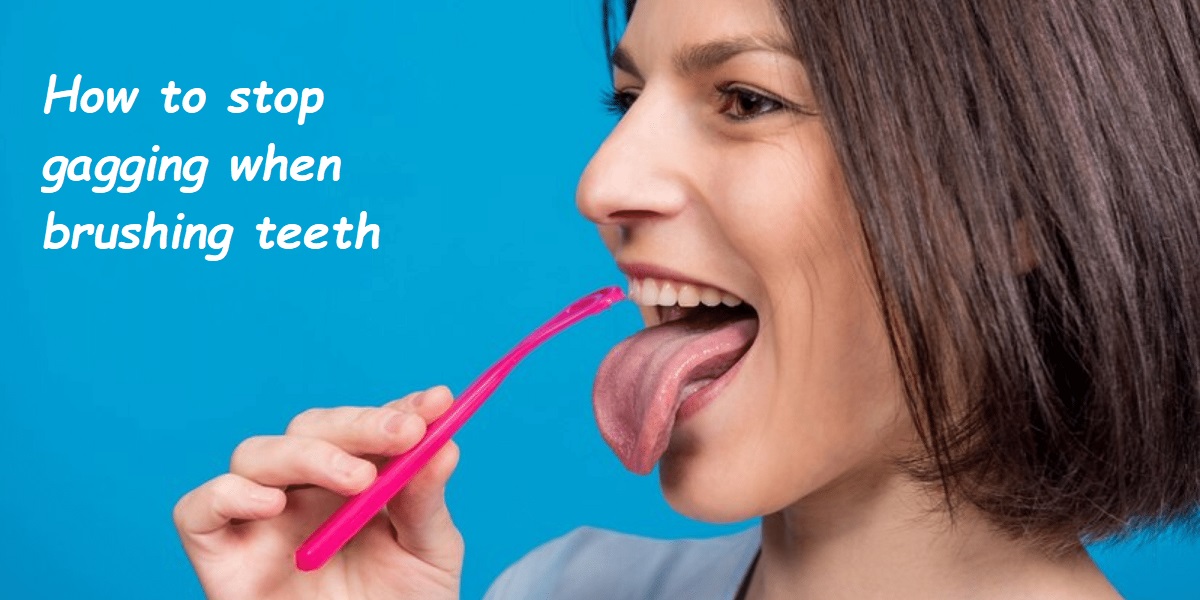
Physical desensitization methods focus on altering the body’s response to stimuli that provoke gagging. Techniques such as deep breathing and throat relaxation can be employed before and during potentially triggering situations. Additionally, the use of topical anesthetics and numbing agents can temporarily lessen sensitivity in the oral cavity. For those seeking more information, exploring Gagging Desensitization Methods provides a comprehensive overview of various options. By combining these physical techniques with psychological approaches, individuals can develop a robust toolkit to manage their gag reflex, leading to greater comfort and confidence in daily activities.
In conclusion, gagging desensitization methods represent a valuable resource for individuals struggling with heightened gag reflexes, offering both psychological and physical strategies to enhance comfort and ease during challenging situations. By integrating gradual exposure techniques, cognitive-behavioral practices, and physical relaxation methods, individuals can effectively reduce their gag sensitivity and cultivate a sense of control over their responses. These approaches not only aim to alleviate immediate discomfort but also empower individuals to approach medical and dental procedures with greater confidence, ultimately improving their overall quality of life and enabling them to participate more fully in essential health care and enjoyable experiences. Embracing these desensitization techniques can transform how one navigates situations that once seemed daunting, fostering a more positive and proactive approach to personal well-being.
Leave a Reply