


Welcome to the ultimate guide on mastering a 1031 exchange, an invaluable strategy for real estate investors seeking to defer capital gains taxes. This intricate financial tactic allows for the continuation of investment growth by reinvesting the proceeds from a property sale into another. It’s essentially a powerful tool for asset management and wealth accumulation in the real estate sector.
In this comprehensive guide, we’ll delve deep into what a 1031 exchange is, how it works, and key strategies to ensure you execute it flawlessly. Whether you’re a seasoned investor or just starting out, understanding the nuances of a 1031 exchange can fundamentally change your approach to investment properties and help in planning long-term financial goals effectively.
Understanding the Basics of a 1031 Exchange
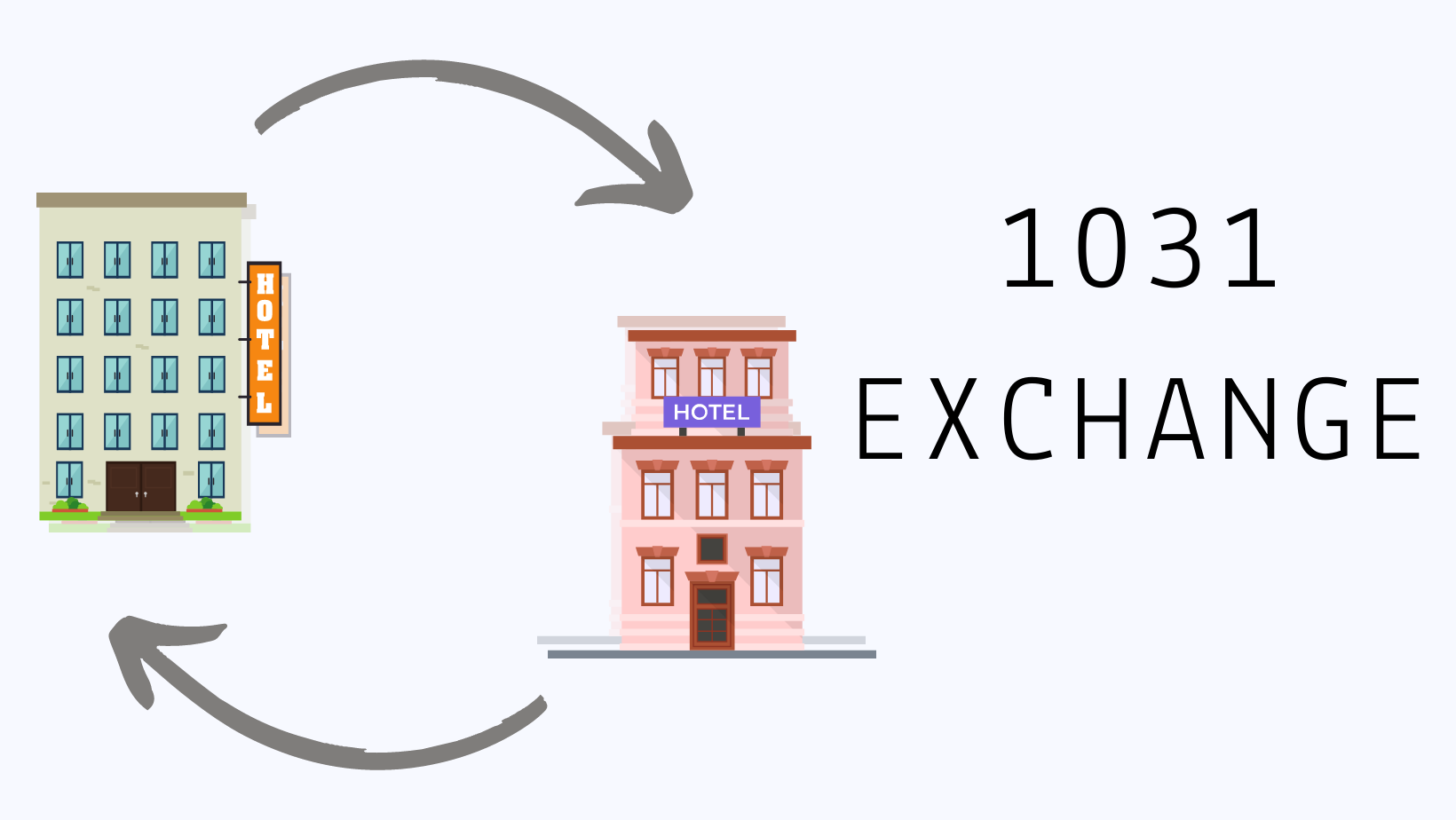
The first critical aspect of mastering a 1031 exchange is to understand its basic structure and requirements. A 1031 exchange, named after Section 1031 of the U.S. Internal Revenue Code, allows investors to defer paying capital gains taxes on an investment property when it is sold, as long as another similar property is purchased with the profit gained by the sale. Knowing these details helps investors maintain continuity in their investment portfolios without losing a chunk of profit to taxes. For further insights, check out this helpful website.
This process is not limitless, however; there are specific eligibility criteria for properties involved, plus strict timelines and rules that must be followed to qualify for tax deferment. The replacement property must be of equal or greater value and must strictly be held for investment purposes or used in a business, not as a personal residence.
Role of Qualified Intermediaries
When executing a 1031 exchange, one cannot overlook the significant role played by qualified intermediaries (QIs). These individuals or entities act as middlemen to hold and safeguard the proceeds from the sale of the property until they can be transferred to the seller of the replacement property. Selection of a credible QI is crucial as they ensure that the transaction adheres to legal standards and IRS guidelines.
Their responsibilities include preparing legal documents relevant to the exchange, reporting the transaction details to the IRS, and ensuring that all funds are properly allocated and remain untouched during the process except for purchasing replacement property. Choosing an experienced and reliable QI can protect you from potential legal problems and financial missteps.
Timing is Everything
The timing rules in a 1031 exchange are stringent and must be adhered to meticulously. From the date of selling your investment property, you have exactly 45 days to identify potential replacement properties, which can make or break your entire strategy. After identifying these properties, you must close on one or more of them within 180 days.
Failing to meet these deadlines means the entire transaction could be disqualified from tax deferment under Section 1031. To master these timing constraints, investors should prepare well ahead of their first sale and keep organized records and schedules.
Understanding Suitable Properties
The type of properties eligible for a 1031 exchange must be like-kind but how this is defined can be broad and sometimes complex. Essentially, both the original and replacement properties must be held for use in trade, business or for investment purposes. However, they don’t necessarily have to be similar in type; for instance, you could sell raw land and acquire an apartment building.
Understanding what qualifies as like-kind property can open various strategic avenues for investors looking to expand or diversify their portfolio while still enjoying tax deferral benefits offered by a 1031 exchange.
Strategic Planning and Long-term Considerations
Finally, mastering a 1031 exchange also involves strategic foresight and planning considering future real estate market trends and personal financial goals. Think beyond mere tax deferment; consider how this maneuver aligns with broader investment strategies you have set.
Weigh how upcoming market conditions might affect potential properties suitable for swapping. Planning with an eye toward generational wealth transfer or expanding commercial holdings could influence your decisions significantly. Expert consultation with tax advisors or financial planners here would be prudent.
To wrap up, mastering a 1031 exchange requires comprehensive understanding about its meticulous rules combined with smart planning and professional support. By integrating these elements effectively into your real estate transactions, you can capitalize on significant fiscal advantages while bolstering your investment portfolio’s performance over time.
Armed with this knowledge from our guide today, set forth confidently in leveraging 1031 exchanges as part of your strategic approach towards real estate investments. Remember: each step is critical — plan meticulously, choose wisely!
Leave a Reply